Wildfire Prevention & Response Guide for Christmas Tree Growers
Wildfires pose a growing risk to Christmas tree farms across Nova Scotia, especially during dry, windy seasons. Being prepared can make the difference between protecting
Featured projects, industry news, and more!

Wildfires pose a growing risk to Christmas tree farms across Nova Scotia, especially during dry, windy seasons. Being prepared can make the difference between protecting

By Lienna Hoeg, Christmas Tree Specialist with Perennia Food & Agriculture Phytophthora root rot is an increasingly serious threat to Christmas tree production in Nova

Written by Lienna Hoeg, Christmas Tree Specialist with Perennia Food & Agriculture Winter poses several challenges for Christmas tree growers in Nova Scotia. Understanding the

Weed control is a critical challenge for Christmas tree growers in Nova Scotia. Weeds compete with young trees for essential resources and can impact tree

Climate change is reshaping our winters and challenging traditional balsam fir production. Our ongoing research, led by Andee Weatherby, compares fall and spring planting seasons

Get the latest updates from the field with CTCNS staff as they share current research highlights and on-the-ground progress in our seed orchard operations. From

Research technician Luke MacLaughlin explores the fascinating relationship between balsam fir and ectomycorrhizal fungi—tiny underground allies that support nutrient uptake, stress tolerance, and overall tree

Before and During a Wildfire Get ahead of wildfire risks with simple steps like making an emergency plan, preparing your home, and sealing against smoke.

Insights into cutting-edge studies advancing weed control, nutrient management, and soil health in Christmas tree production. Read Here

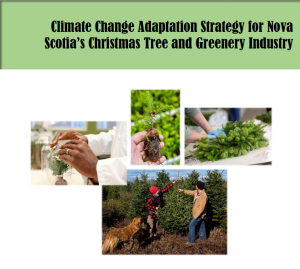
This Christmas Tree and Greenery strategy, developed by a team of stakeholders across the
industry, presents a set of agreed-upon outcomes designed to support an approach that takes
industry-wide coordinated collective action to increase preparedness for climate change.
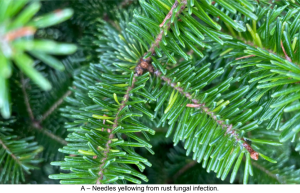
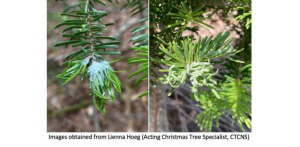
Thank you to CTCNS’ Acting Christmas Tree Specialist, Lienna Hoeg, who has created a guide for Balsam Needle Rust. Balsam Fir Needle Rust Guide Shearing

Thank you to CTCNS’ Acting Christmas Tree Specialist, Lienna Hoeg, who has created a guide for Balsam Twig Aphid. Balsam Twig Aphid Factsheet

CTCNS Staff & Board worked with Barrington Consulting Group to create and publish this Cost of Production Report. Cost of Production Report: https://media.ctcns.com/wp-content/uploads/2022/06/CTCNS-Cost-of-Production-Report-2022-Barrington-OPS-final.pdf Download the

SMART Tree Website: https://smarttree.ctcns.com/ Genome Atlantic: https://genomeatlantic.ca/a-new-balsam-fir-on-the-path-to-christmas-stardom/

Thank you CTCNS’ Acting Christmas Tree Specialist, Lienna Hoeg, for reviewing the 2021 research projects on the Phosphorus Dip Trials and Spongy Moth Monitoring Program.

No matter what variety, size, or colour of Christmas tree you’ve chosen, you’ve brought home a Nova Scotia Famous Balsam Fir! Finding your perfect Christmas

Nova Scotia is home to the most magical Christmas tree of all: the Nova Scotia Balsam Fir. Even our friends at the North Pole agree—watch

Soil sampling on Nova Scotia Christmas tree lots is an efficient way to grow knowledge of efficient ways to use resources – including finances, be

The CTCNS Research Team is conducting weed surveys of Christmas tree lots across Nova Scotia. This survey will provide insight on weed dynamics throughout lots

Anectodical evidence suggests that dipping seedlings in a Phosphorous fertilizer solution before planting will give the seedlings a competitive edge during the growing season. Since

Last year, the CTCNS Research Team collected and submitted more than 1,000 soil and foliar samples from Nova Scotia Christmas Tree lots through the Soil

In the August 2021 Perennia Virtual Field Day, CTCNS and the Christmas tree industry includes a video on the Christmas tree industry, the current research

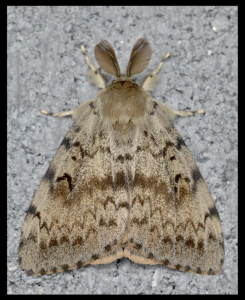
Eastern Canada’s climate and availability of host trees have provided the ideal habitat for colonization of gypsy moths, which have invaded Ontario, Quebec, New Brunswick,